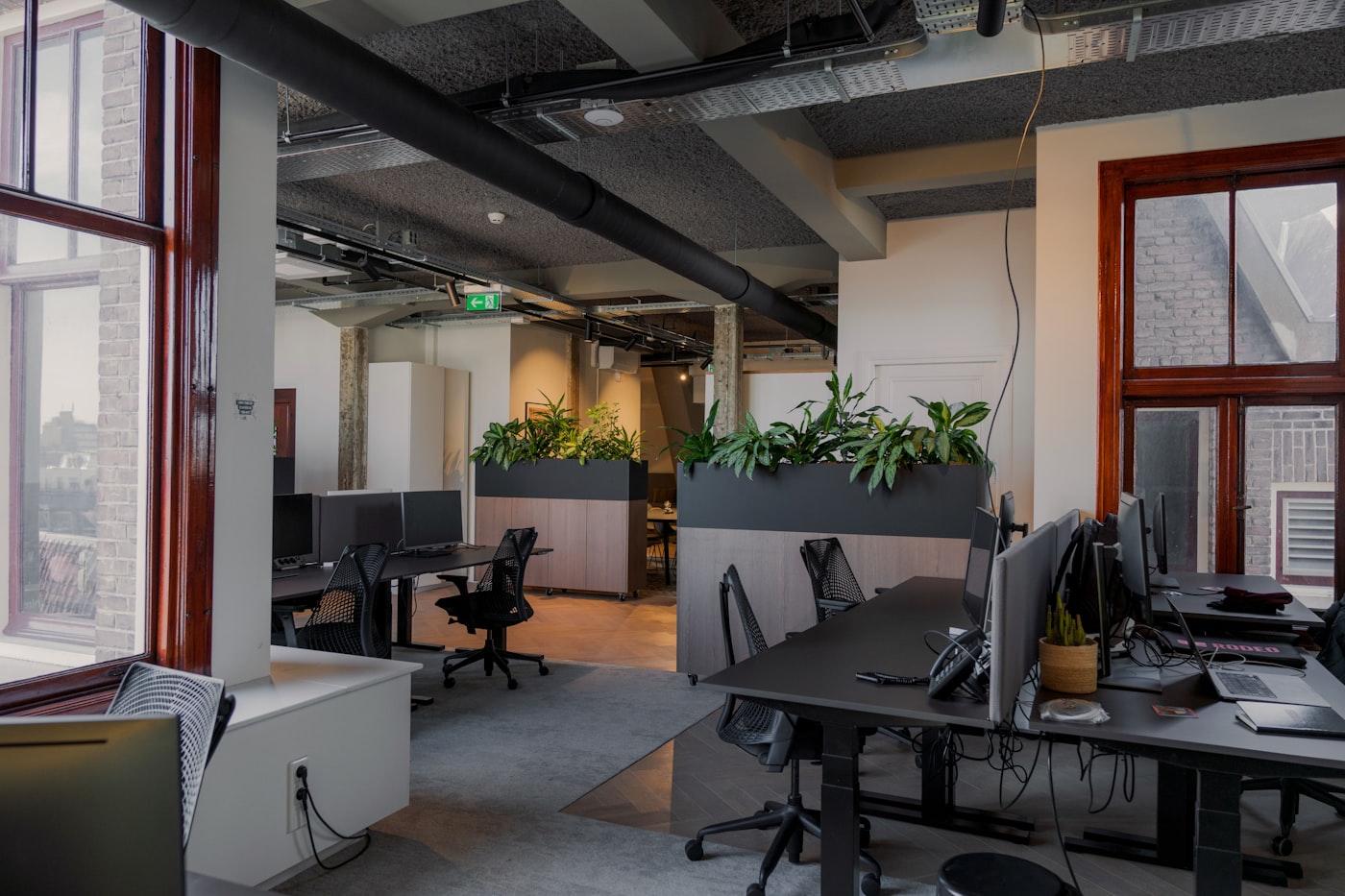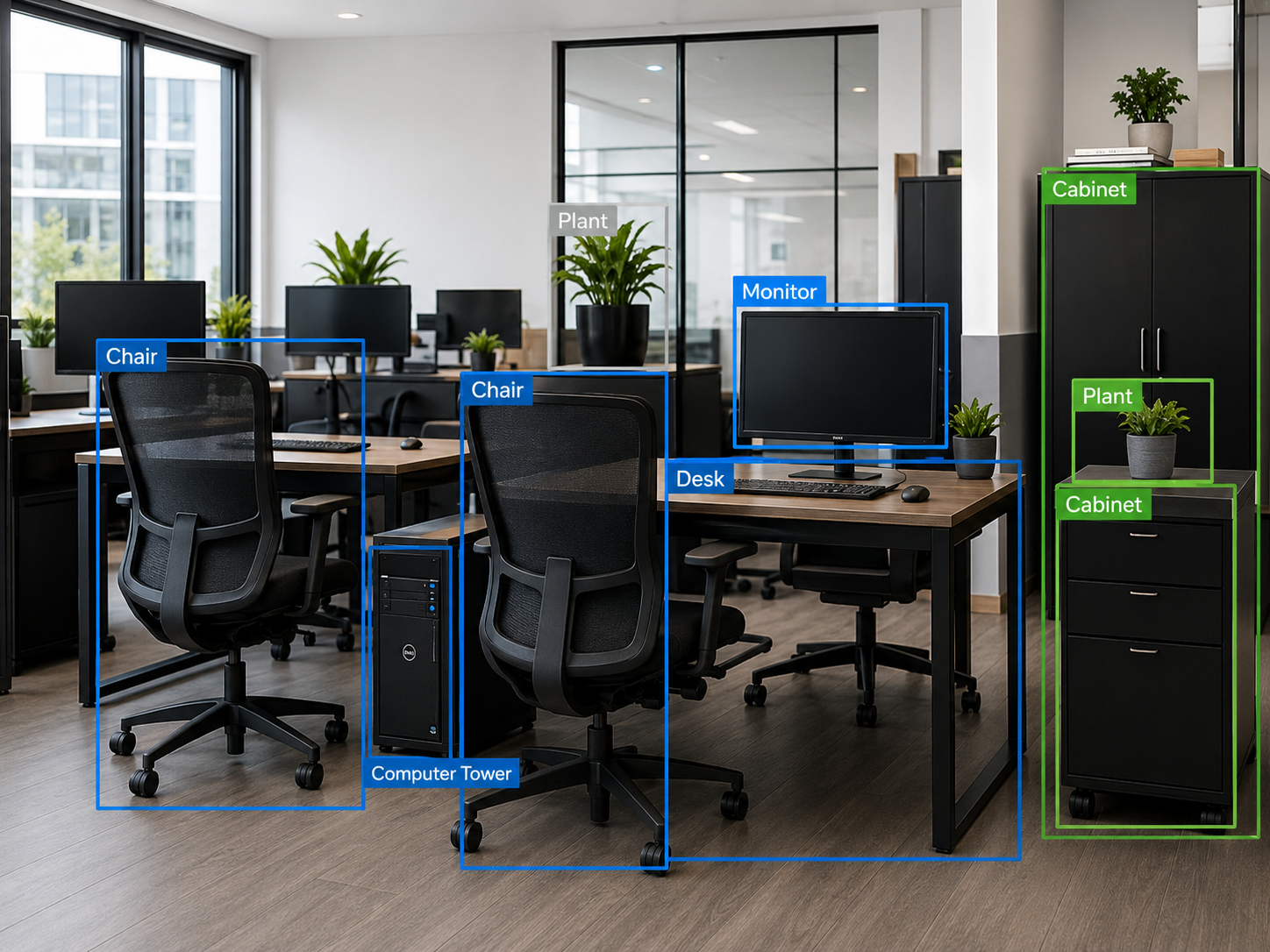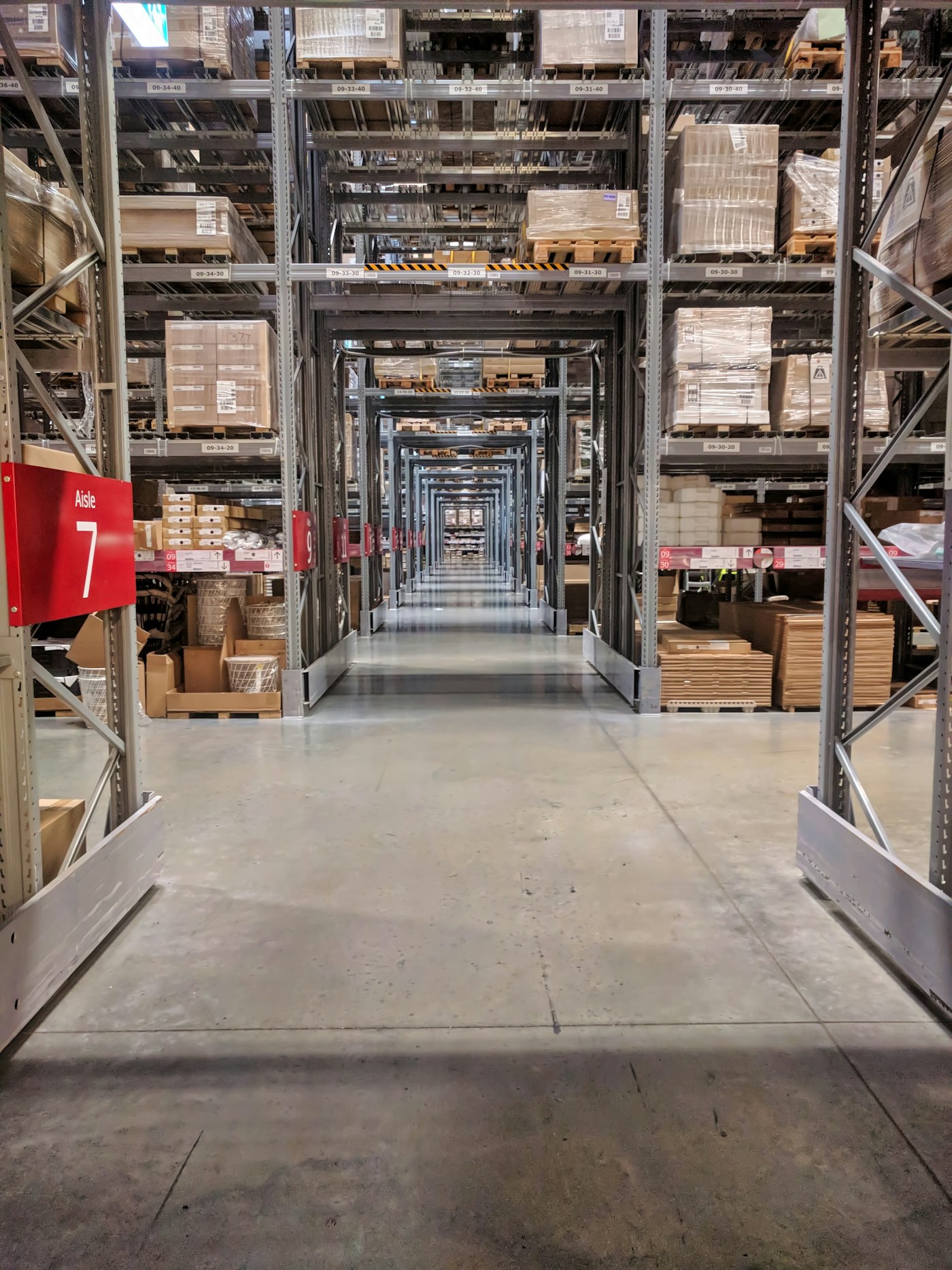
Disposal is usually treated as a cost line: a dumpster, a hauling fee, and a problem that goes away. But the moment you can see and value what you are throwing out, that cost line turns into an opportunity.
The scale of the problem
Furniture is one of the most landfilled product categories there is. The US EPA estimates that Americans generated about 12.1 million tons of furniture and furnishings waste in a single year, and that roughly 80% of it went straight to landfill while less than 1% was recycled.
The office share alone is staggering. Industry estimates put up to 8.5 million tons of office furniture in landfills each year, costing more than 450 million dollars in tipping fees. A single workstation can represent 300 to 700 pounds of waste, most of it metal, wood and plastic that still has years of life left.
Disposal is a choice, not a default
Almost all of that is avoidable. Once an asset is catalogued and priced against live market data, the decision becomes simple. Each item has three better futures:
- Redeploy it to another site or team that needs it.
- Resell it to recover cash.
- Donate it to a school, non-profit or community that can use it.
The landfill stops being the default and becomes the last resort. Specialist programs have shown what is possible: well-run decommissioning can reach 99% landfill diversion, and one provider reports diverting 75,000 tons of furniture and equipment while donating 32 million dollars of surplus to thousands of non-profits.
Why valuations change behavior
Teams rarely lack the will to do the right thing. They lack the numbers. A market-aware valuation makes the case obvious: when you can show that a floor of furniture is worth real money, "just toss it" stops being the easy answer.
The carbon case for reuse
Recovery is not only a financial win. Reuse keeps an item's embedded carbon in service, and that footprint is dominated by manufacturing, not disposal. Reusing furniture typically delivers around six times the carbon saving of recycling it, and avoiding the manufacture of a single new chair can save roughly 65 kg of CO2e. Extending the life of what you already own is one of the most practical climate levers an organization has.
That is the loop Kanacapture was built to close: capture what you have, price it, and act on it before the trucks arrive.