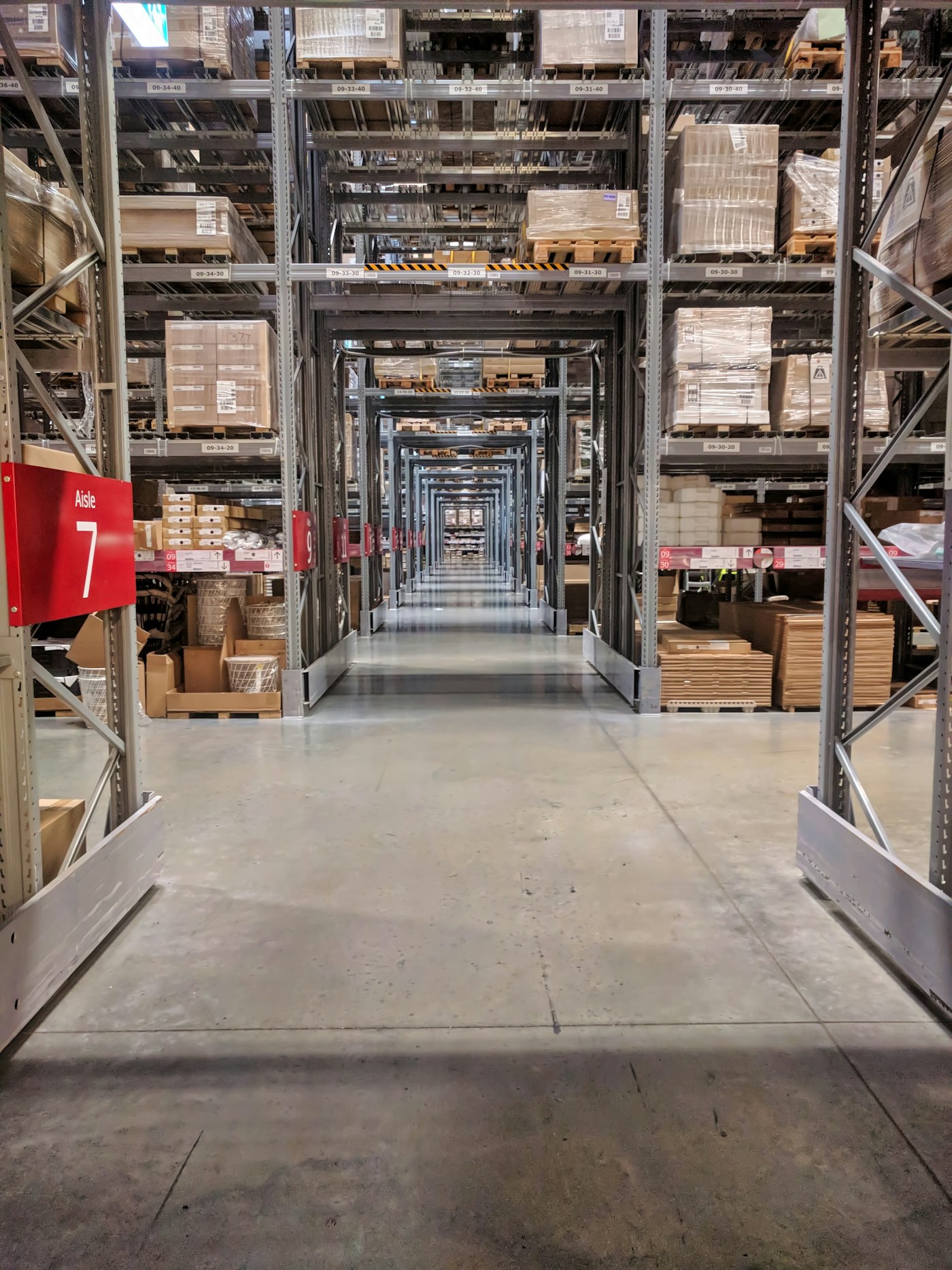
Traditional inventory starts with a clipboard and ends with a spreadsheet nobody trusts. The bottleneck has always been capture: walking a space, naming each item, and typing it all in by hand.
We flipped that. With Kanacapture, you photograph a space and the work happens automatically.
The capture bottleneck
Manual counting is slow, and worse, it is inconsistent. Two people walking the same room will label items differently, miss things in cabinets, and record condition by gut feel. The result is a record that is out of date before it is finished.
That is exactly the problem computer vision is good at removing.
How the AI sees a room
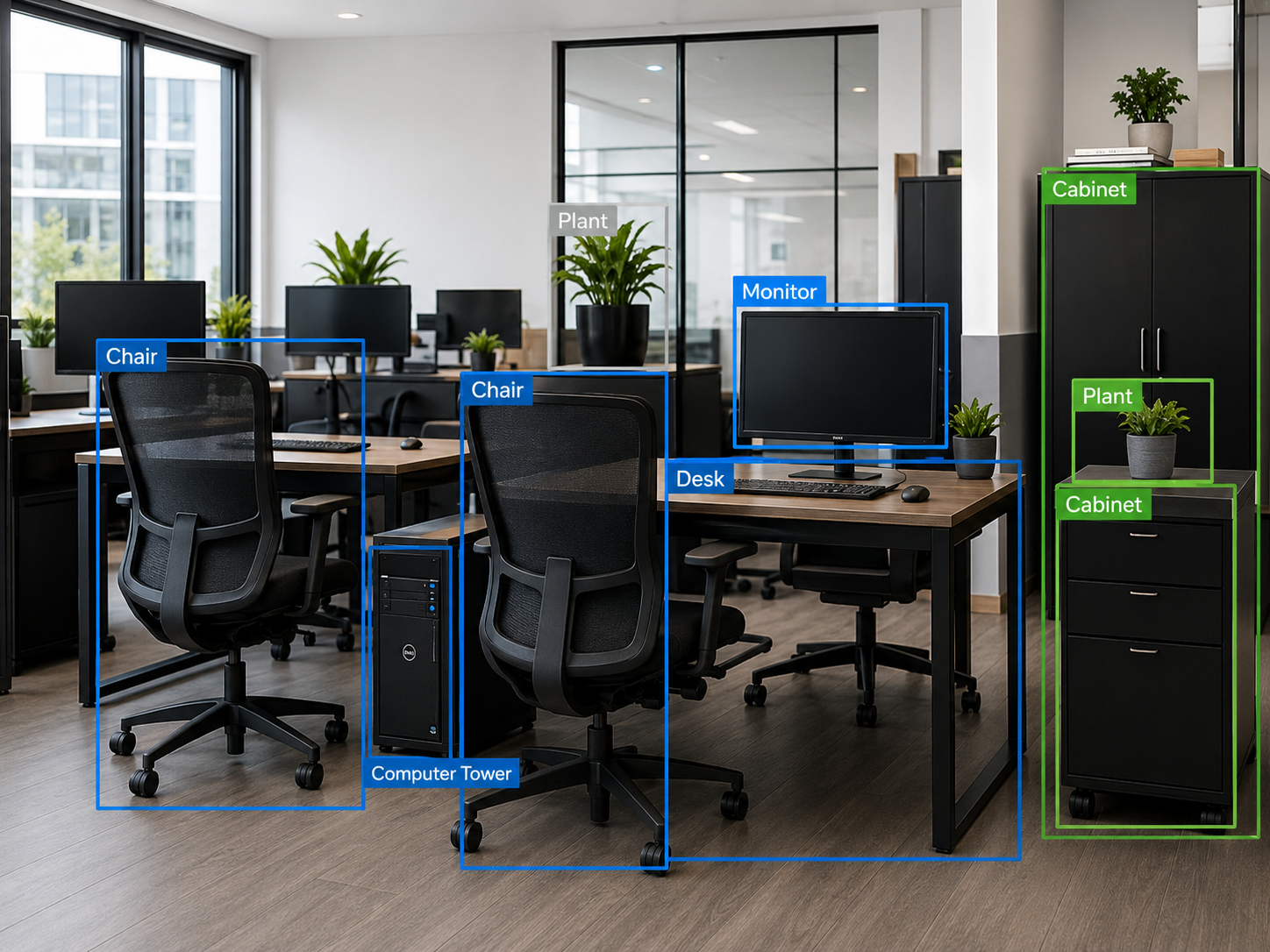
Point a camera at a space and the model detects and classifies each object: chairs, desks, monitors, cabinets and more. One photo becomes a list of structured line items, each with a category and a confidence score.
Instead of a person deciding what counts and typing it in, the system proposes a draft inventory in seconds, and a person simply confirms it.
The numbers behind it
This is not a marginal improvement. Studies of computer-vision inventory systems report meaningful gains over manual and barcode methods, including around a 9% increase in inventory accuracy and a 45% reduction in the time spent counting. Continuous, photo-based capture also means the record reflects what is actually there, not what someone remembered to write down.
You stay in control
The AI proposes, your team decides. Every result is reviewable and editable, so accuracy improves without slowing anyone down, and people stay in control of what the model suggests. The output is a clean catalog you can search, value and act on.
The result: minutes of capture instead of days of data entry, and a record that finally matches the room.