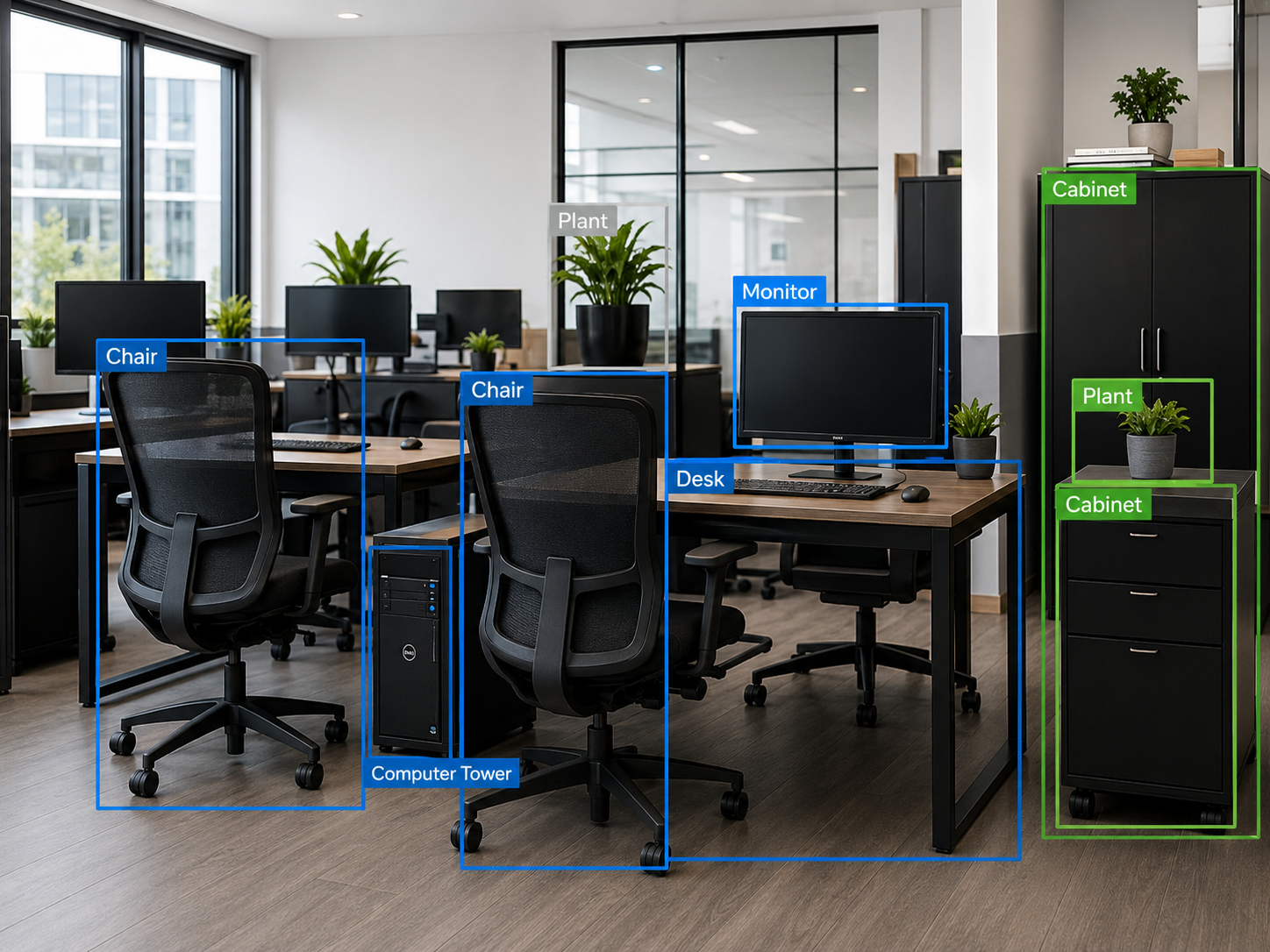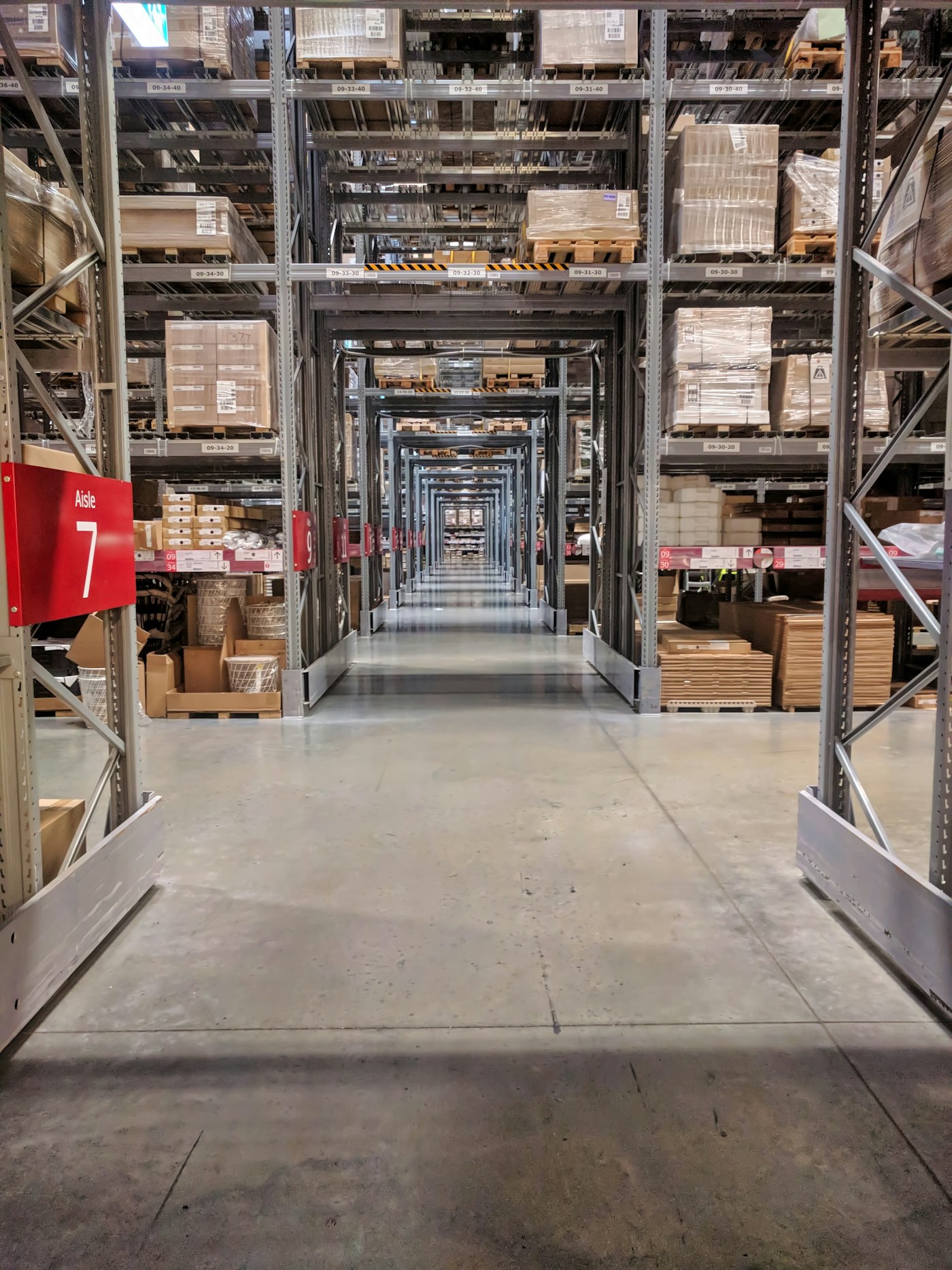
Ask most organizations what physical assets they own, and you will get a confident answer followed by a long pause. The confidence covers the big, visible items. The pause covers everything else: the storage rooms, the spare monitors, the furniture from the floor that closed last year.
That gap is not a failure of effort. It is a failure of visibility. When inventory lives in spreadsheets, binders and people's memories, it ages the moment it is written down.
The visibility gap is bigger than it looks
When an asset register is built once and rarely revisited, reality quietly drifts away from the record. Reviews of fixed asset registers routinely find that between 10% and 30% of the assets listed no longer physically exist, and that a large share of the remaining records are incomplete or out of date.
These phantom entries have a name: ghost assets. They are items that were sold, scrapped, lost or moved, but never updated in the books. Organizations that run their first rigorous inventory are often surprised to find that close to a fifth of their register is made up of them.
What ghost assets quietly cost
A record that does not match reality is not just untidy. It is expensive in ways that rarely show up on a single line.
- Inflated taxes and insurance. Assets you no longer own still get reported, taxed and insured. Specialists estimate that organizations with poorly maintained registers overpay property tax by 2% to 8% a year.
- Rebuying what you already have. One department orders new chairs while another has a stack of them in storage, unseen.
- Slow, painful audits. When the records do not match the floor, every audit becomes a manual reconciliation that takes weeks.
Why spreadsheets keep failing
The problem is not the people maintaining the lists. It is the medium. A spreadsheet captures a moment, then immediately starts to rot as items move, break or leave. It carries no photo evidence, so no one can confirm what a row actually refers to. And it lives in silos, so the team in one building cannot see what another already has.
What good visibility looks like
The fix is not another spreadsheet. It is a single, current picture of what you own that anyone can search in seconds.

When every item carries a category, a condition, a location and a photo behind it, the questions that used to take weeks take minutes. You stop guessing, you stop overpaying for assets you no longer have, and you start recovering value that was sitting in plain sight all along.